

From Elite Athletes to Everyday Fitness with Jorden Bres


Listen on 

High-performance training often feels far removed from the commercial gym floor. Different stakes. Different athletes. Different pressure.
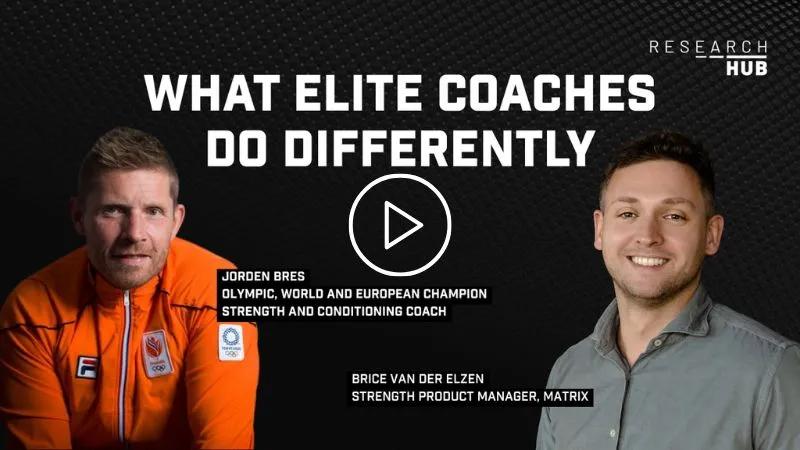
In a recent conversation on Research Hub Podcast, Olympic Strength and Conditioning coach Jorden Bres reflects on five Olympic cycles and explains how the same principles that guide elite preparation apply inside everyday training environments. The discussion centers on structured planning, disciplined progression, durable movement and higher coaching standards, all translated into practical lessons for gym operators and coaches
Structure Drives Predictable Progress
Olympic athletes train within clearly defined plans that connect daily sessions to long-term goals. Assessments inform programming decisions, load progresses intentionally and adjustments are made based on measurable feedback.
Recreational members benefit from the same approach. A clear objective, a realistic starting point and a structured progression model create direction inside the gym. Without that framework, training becomes reactive and inconsistent.
Jorden emphasizes the value of a thorough intake process that includes training history, injury background, lifestyle habits and nutrition patterns. This information helps to build the plan and reduces guesswork. When members understand their goal and see how each session connects to it, engagement improves and progress becomes visible.
For operators, this reinforces the importance of systemized programming rather than isolated workouts. Structured development supports retention and long-term member satisfaction.
Simple Execution
Many members enter the gym with exposure to advanced routines and online training trends. This often leads to unnecessary variation before fundamental movement quality is established.
Jorden favors a simplified starting point that allows members to build skill before adding complexity. Full-body sessions built around key movement patterns create repetition and familiarity. Controlled range of motion and gradual increases in load help members develop technical proficiency and physical capacity at the same time.
A streamlined session structure improves coaching effectiveness and reduces confusion on the gym floor. When members understand what they are doing and why they are doing it, execution improves and adherence becomes more stable.
For coaching teams, simplicity provides a foundation that supports long-term progression.
The Training Environment Influences Behavior
Facility layout and equipment selection play a significant role in shaping training habits. When Jorden evaluates a gym, he looks for equipment that supports progressive strength development and logical organization that guides members through a session.
Free weight stations allow scalable loading and long-term progression. Plate-loaded and selectorized machines provide stability and control, which can be particularly helpful for beginners or older members. Grouping equipment by movement pattern or muscle group creates intuitive flow and reduces hesitation.
A disorganized floor increases uncertainty and disrupts session momentum. An organized environment supports focus and efficient coaching. For operators, equipment decisions and layout planning should reflect the dominant training philosophy of the facility.
Building Movement Capacity for Long-Term Training
Mobility limitations have become common across demographics, largely influenced by sedentary lifestyles. Reduced range of motion combined with external load increases the likelihood of discomfort or injury.
Mobility limitations have become increasingly common across age groups, largely driven by sedentary work and reduced daily movement. When restricted range of motion is combined with external load, the likelihood of discomfort or injury rises significantly.
Jorden addresses this by integrating mobility development directly into strength sessions rather than separating it into isolated routines. He emphasizes full range of motion in primary lifts, controlled eccentric phases and strength development at longer muscle lengths. This approach increases tissue tolerance and expands usable joint capacity under load.
Members who can move well under load train more consistently. Consistent training produces adaptation over time. For gym operators, improving movement capacity supports attendance stability, reduces setbacks and strengthens long-term member engagement.
Strength Training Across the Lifespan
The aging population represents a growing segment within commercial fitness. Loss of muscle mass and strength affects independence, balance and daily function.
Structured resistance training supports bone density, functional capacity and overall vitality. Training variables such as load, volume and complexity adjust according to experience and health status, yet resistance work remains central across age groups.
Facilities that provide clear strength pathways for active aging populations position themselves to serve long-term health goals rather than short-term outcomes.
Coaching Standards Affect Member Experience
Programming quality influences results, yet coaching behavior strongly influences member engagement.
Jorden describes his role as working in service of the athlete, which reflects a collaborative approach grounded in expertise. Clients seek guidance and direction. Coaches provide structure, feedback and accountability.
Effective coaching includes comprehensive intake conversations, direct communication about expectations and honest discussions about adherence. When members understand the rationale behind their training and receive consistent feedback, they are more likely to remain committed to the process.
Operators who define and reinforce communication standards across their coaching teams strengthen both performance outcomes and retention.
Transferable Lessons from Elite Sport
Elite athletes operate with defined objectives, structured routines and disciplined progression models. Recreational members can apply the same habits at an appropriate scale.
Clear goal setting, structured planning and measurable progress tracking support development in any environment. The timeline may differ, yet the methodology remains aligned.
High-performance preparation demonstrates what happens when structure, execution and accountability align. Commercial gyms that apply those principles consistently create environments where progress is visible and sustainable.
To watch the full episode in Dutch, click here.

