

Designing Inclusive Fitness Spaces That Serve More People


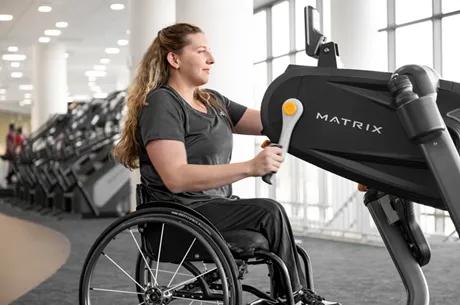
Fitness spaces today are used by people with different abilities, experience levels and comfort with exercise. Inclusive design helps ensure those spaces are approachable, usable and relevant to more people over time.
For owners and operators, inclusive fitness is a practical way to improve participation, satisfaction and long-term value. Spaces that are easier to use tend to see more consistent engagement, stronger loyalty and fewer barriers to entry across a wide range of users.
Why Inclusive Fitness Design Matters
Inclusive fitness design encourages broader participation while aligning with operational and brand goals. Research suggests inclusive design practices are linked to improved customer trust, resilience and financial performance.1
Across workplaces, residential communities, hospitality properties and community-based facilities, inclusive fitness amenities can:
- Encourage repeat use across a wider range of ages, abilities and experience levels
- Strengthen satisfaction and perception of the space
- Reduce staff intervention through intuitive equipment and layouts
Inclusive design focuses on usability and access, helping fitness spaces remain relevant and well used over time.
Design Principles That Enables Broader Use
Effective inclusive fitness spaces start with intentional layout and equipment choices that reduce friction and increase comfort.
Clear access and circulation
Wide pathways, clear entry points and consistent lighting help users move through the space with confidence. These features strengthen accessibility while improving overall flow.
Easy equipment entry and adjustment
Step-through designs, visible adjustment points and intuitive controls reduce hesitation and help users get started quickly.
Support for different movement needs
Equipment that allows unilateral and bilateral movement accommodates users with asymmetry, limited mobility or varied strength levels.
Readable interfaces and controls
High-contrast displays, clear labeling and tactile controls improve usability across vision and dexterity ranges.
Equipment That Enable Inclusive Use
Inclusive fitness does not depend on specialized equipment. It relies on selecting products that reduce barriers, address different movement needs and feel intuitive for a wide range of users. The examples below highlight equipment types that help broaden participation without adding complexity.
Wheelchair-Accessible Cardio
Upper Body Cycles allow seated, standing and wheelchair-accessible workouts with adjustable arm motion and optional accessories. Their flexibility and ease of use make them a valuable addition across many types of fitness spaces.
Explore five reasons why every facility should have an Upper Body Cycle.
Low-Entry Cardio Options
Recumbent cycles and low-entry treadmills offer comfortable access and added stability, helping users feel secure as they begin moving.
- The R3xm Recumbent Cycle offers multiple adjustment points and a clear LED console, supporting comfortable use across a wide range of abilities and fitness levels.
- The Lifestyle Treadmill features low step-on height and optional extended handrails, supporting confident entry, exit and steady walking workouts.
- The S-Drive allows user-controlled movement with continuous handrails and a non-motorized belt, allowing individuals to move at their own pace with added confidence.
Specialized Strength with Simple Adjustments
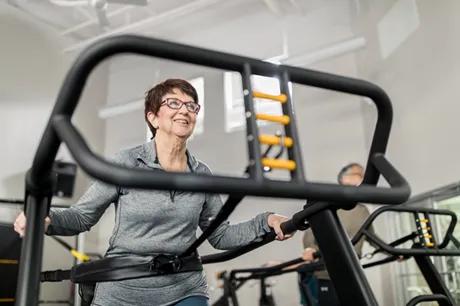
The Versa MD Adjustable Pulley enables upper body, lower body and core strength with low starting resistance and multiple exercise options, helping users progress at their own pace.
Stretching With Added Stability
Matrix Stretch Platform offers a stable surface for guided stretching as an alternative to floor-based movement.
Functional Training for Flexible Use
Open functional training areas allow for mobility work, balance exercises and bodyweight movement that adapt easily to different ability levels.
Digital Training and Content Access
Matrix Cardio Consoles provide access to virtual training content, giving users guided options that fit different schedules and comfort levels.
Reviewing Layout and Environmental Features
Beyond equipment selection, reviewing layout and environmental features helps identify barriers that may limit participation.
Consider:
- Adequate clearance for approach, transfer and turning
- Minimized step heights and clear transitions
- Adaptive grips, support bars and stability features
- Clear signage with strong contrast
- Even lighting and defined quiet or recovery areas
These elements offer comfort, safety and confidence across a wide range of users.
Evaluating and Improving Access
Reviewing an existing fitness space can help identify opportunities to improve usability. Self-audit tools and design checklists provide a structured way to assess access, layout and equipment selection.
Small adjustments often lead to noticeable improvements in participation and satisfaction.
How Matrix Approaches Inclusive Fitness Spaces
Matrix offers a broad range of cardio, strength and functional training solutions designed for ease of use, durability and varied user needs. Our portfolio helps guide inclusive fitness planning through accessible equipment options, simple interfaces and flexible layouts.
From planning and equipment selection to ongoing service, Matrix works with you to create fitness spaces that serve more people and deliver lasting value.
