

A Facility Guide to Commercial Cardio Equipment


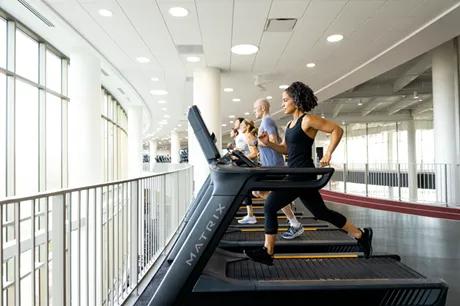
Choosing commercial cardio equipment starts with the job your cardio floor needs to do.
Before selecting a series, console or product mix, look at how the room will be used, what type of workout users expect, how much service support is available and how the space should feel. Product specs can confirm the choice but they should not lead the choice on their own.
This guide uses five areas to help facility teams compare commercial cardio equipment by fit, use and long-term value.
1. User experience and engagement
A cardio floor should feel easy to enter and easy to use. People should know how to start a workout, adjust settings and follow their progress without staff support.
User experience includes the console, controls, workout feedback, entertainment options, workout programming, audio cues and visual prompts. These details influence the first few seconds of use and the full workout that follows.
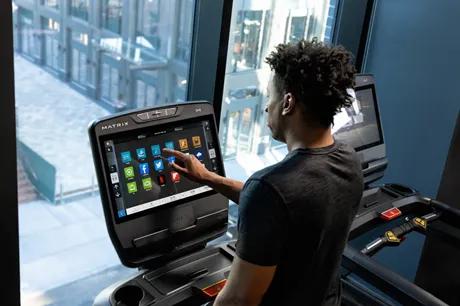
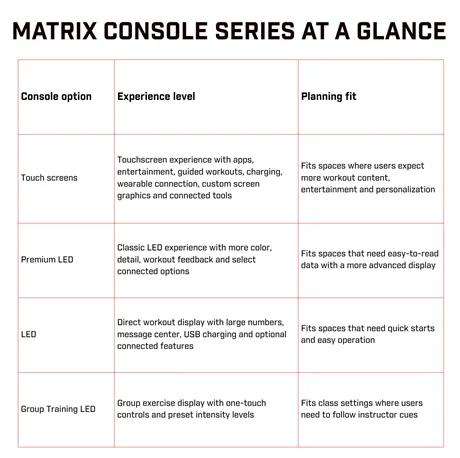
A direct console can support quick starts and easy-to-read workout data. A touchscreen console can create a more interactive session with apps, entertainment, guided programs and custom screen options.
Workout programming can give users more variety during repeated visits. Interval workouts, scenic route experiences, climbing challenges, goal-based sessions and on-demand coaching can help cardio feel less routine. Those options can add value when a facility wants more engagement without adding staff-led instruction.
The best cardio setup helps new users begin with ease and gives repeat users enough variety to keep workouts interesting.
2. Performance and comfort
Performance and comfort should be reviewed together. A treadmill may offer a high top speed, yet users will judge it by how it feels during a walk, jog or run. An elliptical may look impressive, yet the motion needs to feel natural across many body types.
For treadmills, review the motor, drive system, incline range, top speed, running surface, step-on height and cushioning. Runners need room to move and a deck that feels stable. Users who prefer walking or light cardio may place more value on easy entry, steady movement and comfort underfoot.
For ascent trainers and ellipticals, stride feel, pedal spacing, movement path and handlebar placement affect the workout right away. The motion should feel natural without forcing the user into an awkward position.
For cycles, seat comfort, entry style, adjustment range and ride feel deserve close review. Equipment should adjust quickly and support a wide range of users.
For ClimbMills and steppers, review step height, step feel, speed range, handrail access and how secure users feel during entry and exit.
Comfort can influence whether someone returns to the same machine. A product that feels stable, natural and easy to adjust will serve the space better over time.
3. Technology and personalization
Technology should help users, staff or both. Start with what the facility needs technology to do. Some cardio floors need quick starts and easy-to-read workout data. Other spaces benefit from entertainment, guided programs, workout tracking or branded messages on the console.
For users, technology can support training through display options, workout content, entertainment access, device charging, wearable connection and login tools.
For facility teams, connected equipment can help track use, check machine status, receive service alerts and plan maintenance with less guesswork. Common buying terms include equipment usage tracking, remote service alerts, software updates and connected fitness data.
Technology should match the user need and operating plan. More options add value when they support how the space is used. Simple technology can be the right fit when ease of use is the main goal.
4. Aesthetics and brand fit
Cardio equipment has a large visual role in a fitness space. It can affect how the room feels before anyone starts a workout.
A cardio floor should look planned. Product size, console style, finishes, spacing and layout all influence the user experience. Equipment that fits the room can help the space feel easier to move through and better connected to the brand.
Aesthetics should work with function. The equipment should fit the room, support the people using it and match the experience the facility wants to create.
The visual fit should support the full room without competing with it. Product choice should account for finish, screen size, frame profile, spacing and how the cardio area connects to the rest of the fitness space.
5. Durability and serviceability
Cardio equipment needs to be ready for daily use. Downtime can change the user experience quickly, especially in spaces with fewer pieces available.
Durability starts with expected use. High-traffic cardio floors need products built for repeated workouts, daily contact and a wide range of users. Smaller fitness spaces still need equipment that can handle regular use with limited service disruption.
Service access should be part of the buying decision. Product design can affect how quickly teams can reach parts, update software, reduce wear and address service needs. Connected service tools can help staff monitor equipment status and respond before minor issues become larger problems.
Serviceability affects long-term value. Equipment that is easier to maintain can help keep the cardio floor available and ready for users.
How to narrow your cardio equipment choices
Use the five decision areas before comparing product names. This keeps the process focused on the facility instead of the longest spec sheet.
Start with the expected use level, room size, user experience, service model and investment level. Then compare cardio series and console pairings.
A practical review should answer these planning needs.
- Expected use level
- Available space
- User skill range
- Console experience
- Workout content needs
- Service support
- Design fit
- Investment level
- Long-term value
Once those inputs are set, it becomes easier to choose a cardio series and select the console that fits the experience.
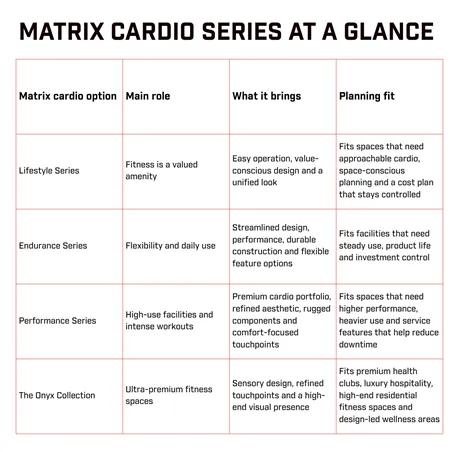
Lifestyle Series for spaces where fitness is a valued amenity
Lifestyle Series cardio fits spaces where fitness supports the broader property experience. It is built for easy operation, value-conscious planning and a unified look.
This series serves users who want an easy way to start moving without a steep learning curve. It supports basic daily workouts and helps the cardio area feel approachable for many fitness levels.
Lifestyle Series can be a fit for facilities that need easy operation, space-conscious design and cardio equipment that aligns with their cost plan.
Endurance Series for flexibility and daily use
Endurance Series cardio fits facilities that need a balance of performance, durability and investment control. It supports steady use and gives teams flexibility across product choices and console options.
The series is built for tough settings and frequent workouts. It can serve casual users along with more committed cardio users who expect a more capable training experience.
Endurance Series fits facilities that need daily performance, durable construction and options that balance user needs with long-term value.
Performance Series for high-use facilities and intense workouts
Performance Series cardio is built for spaces where cardio plays a larger role in the fitness experience. It supports frequent use, harder workouts and users who expect more from each session.
This series includes premium design details, high-performance components and comfort-focused touchpoints. Seats, handlebars, sealed buttons and workout controls help reduce friction during longer sessions.
Performance Series fits facilities that need premium cardio equipment, higher performance specs, advanced comfort details and service features that help reduce downtime.
The Onyx Collection for ultra-premium fitness spaces
The Onyx Collection is Matrix’s ultra-premium cardio line. It is built for spaces where cardio equipment plays a major role in the full brand experience.
Visual design, touchpoints and feel of use drive the experience. The collection can fit luxury hospitality, high-end residential fitness spaces and design-led wellness environments where equipment needs to feel as refined as the room around it.
This option works best when the cardio floor needs to support both exercise and the full tone of the facility.
What cardio console should you choose?
Console choice can change how users experience the same cardio equipment. It affects workout access, feedback, entertainment, personalization and connected tools.
Matrix offers console flexibility across Performance, Endurance and Lifestyle Series equipment. This mix-and-match structure gives facilities more ways to pair the right cardio products with the right level of technology.
A facility can choose the series that fits use level, then choose the console that fits the user experience and operating needs. This helps teams avoid treating each series as a fixed package.
FAQ
Can Matrix cardio equipment pair with different Matrix consoles?
Performance, Endurance and Lifestyle Series equipment can pair with multiple console options. This gives facilities more ways to match cardio performance with the right technology level.
Is a touchscreen console worth it for commercial cardio equipment?
A touchscreen console can be worth it when users expect entertainment, guided workouts, app-style navigation, wearable connection or more personalized workout options. A simpler console may work better for spaces focused on quick starts and easy use.
